

The Process
Onsite wastewater projects generally proceed in three stages: site evaluation, design and permitting, and construction inspection with final certification. Timelines and specific requirements vary by county. Most projects take two to six months. Wet-weather restrictions may extend the construction schedule.
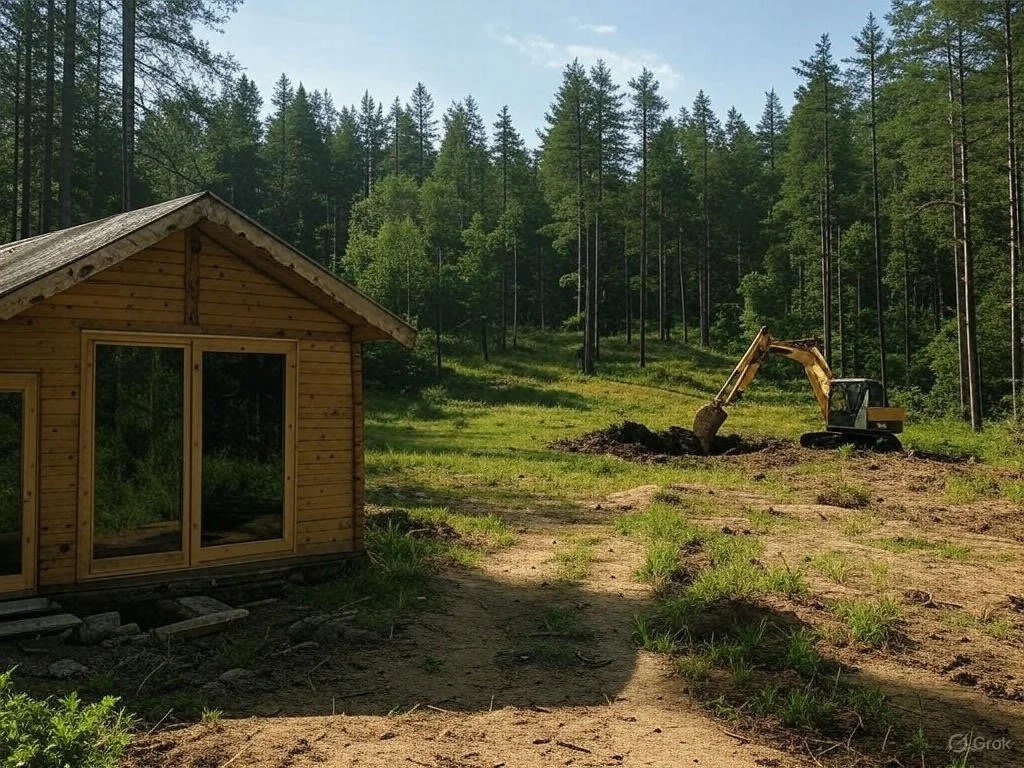
Site Evaluations and Soils Testing
The first step is a site evaluation and soils testing (a soil profile inspection) with an excavator and the local regulatory agency. Test holes are evaluated for soil morphology, terrain, and setbacks. From that report, the jurisdiction determines whether a standard system is feasible or an alternative or special design is required. In most counties, approved wastewater plans are required before building plans can be signed off. Where required by the local jurisdiction, percolation testing is conducted to measure soil absorption rates and to inform system type and sizing.


Design and Permitting
Plans are prepared from the site evaluation data to the specifications of the parcel and the applicable county code, then submitted for review and permit issuance. Once the permit is issued, a septic contractor may install the system.
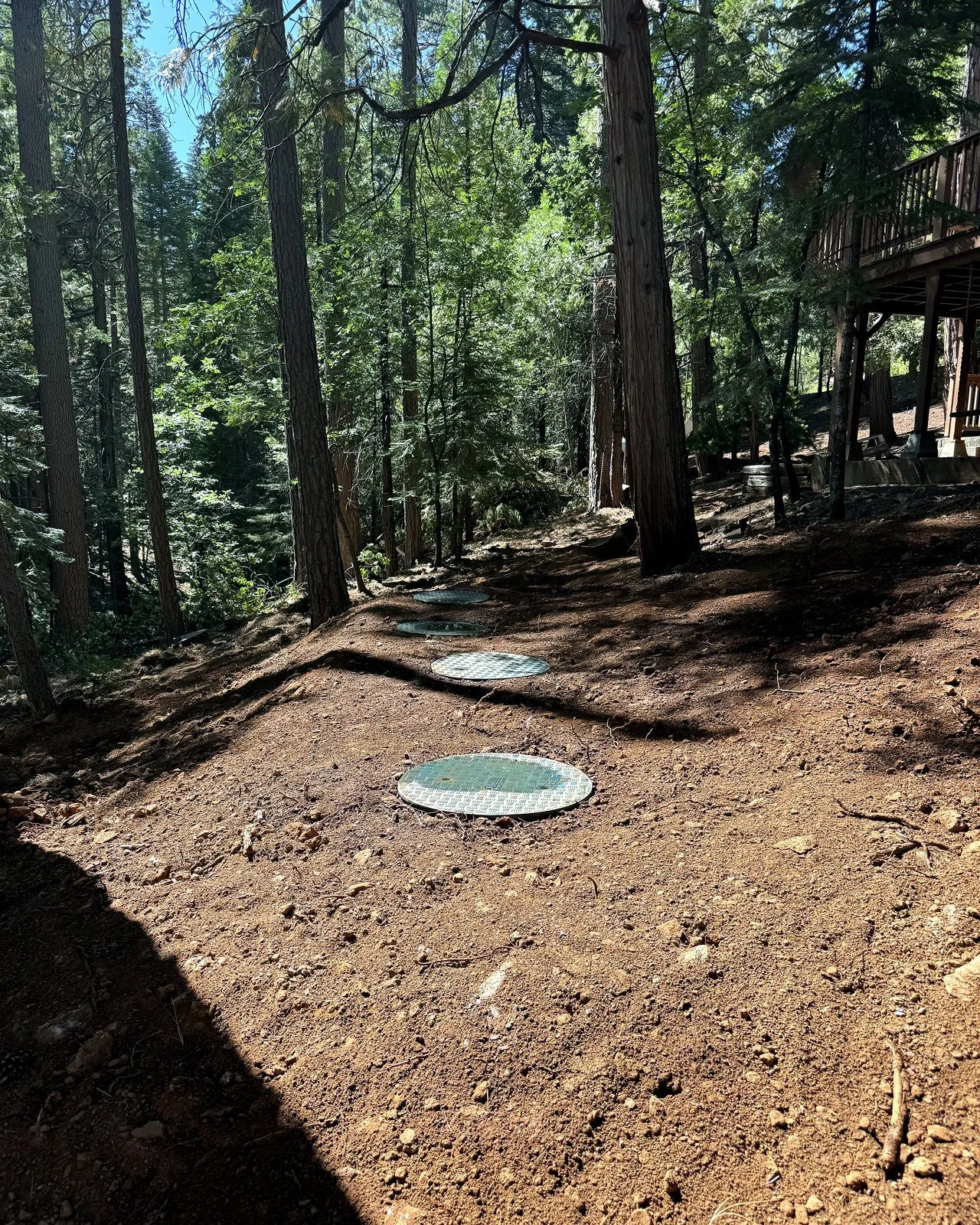
Installation Inspections and System Certification
During installation by the licensed contractor, inspections are conducted at required stages by the local jurisdiction and the consultant to confirm the work matches the approved plans. Upon satisfactory completion, certification documents are submitted so the permit can be finalized.
Ongoing Maintenance
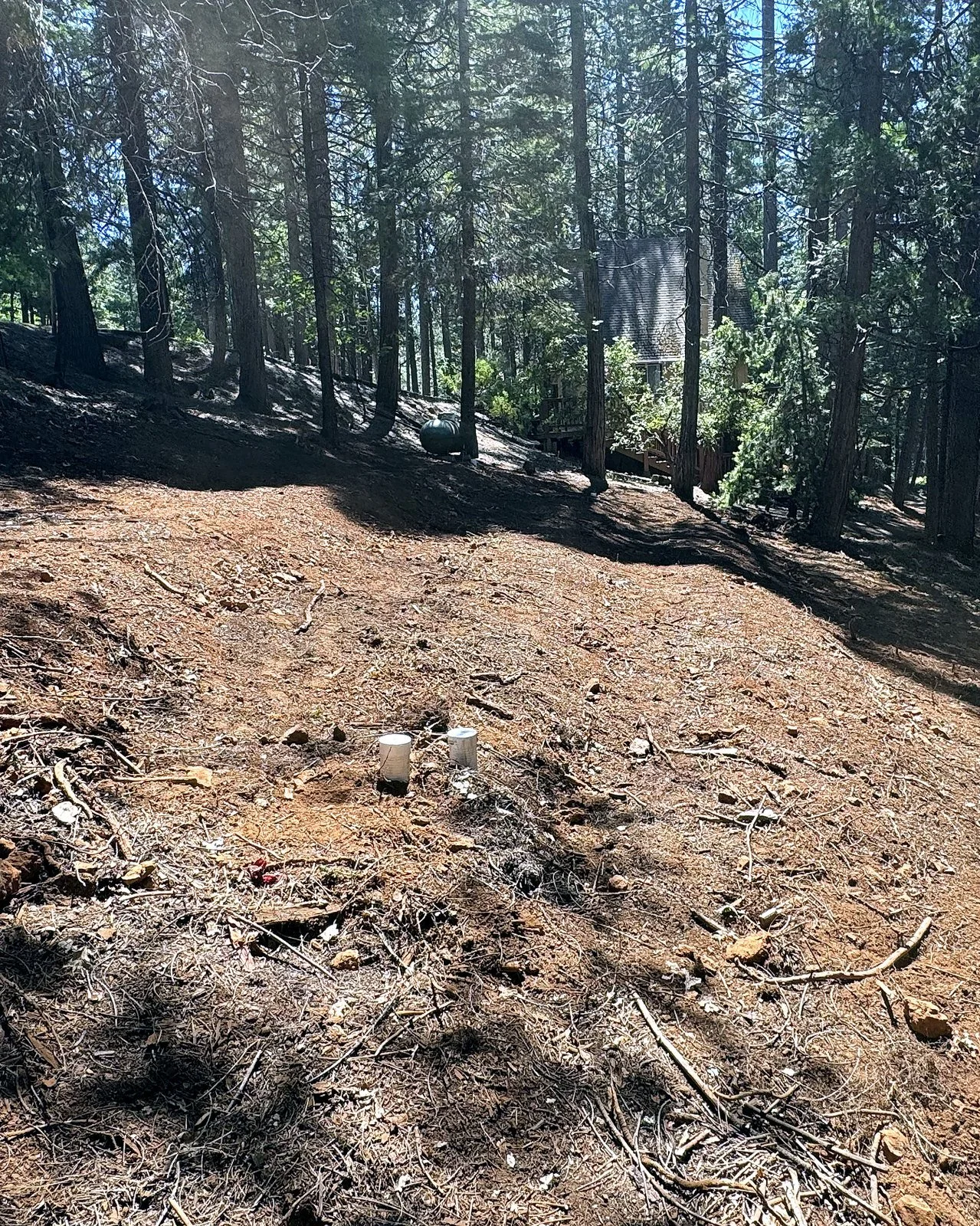
Septic systems rely on biological treatment and require ongoing upkeep. Some jurisdictions and manufacturers require a maintenance contract with a qualified service provider, particularly for alternative treatment systems. Additional guidance is on the Resources page